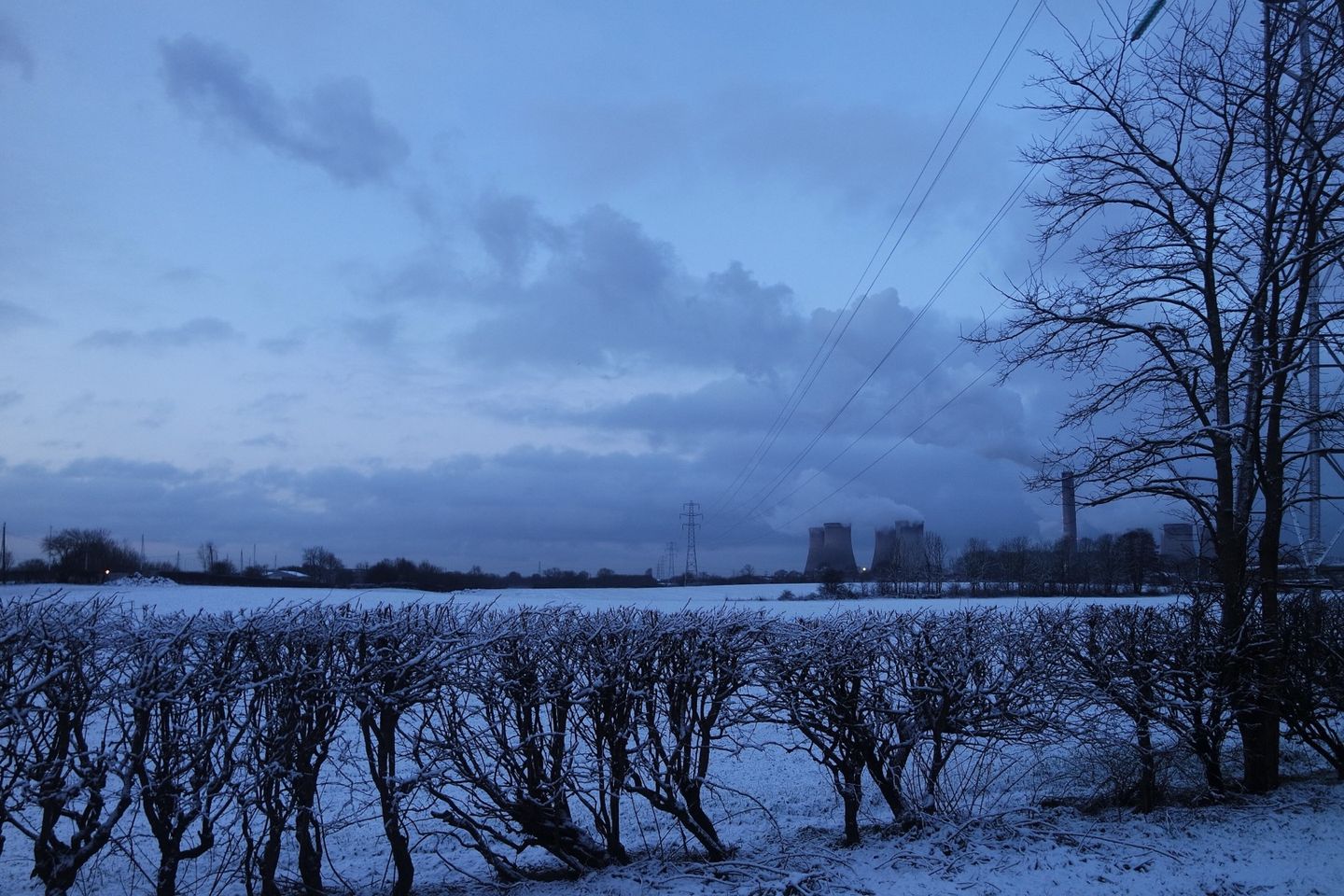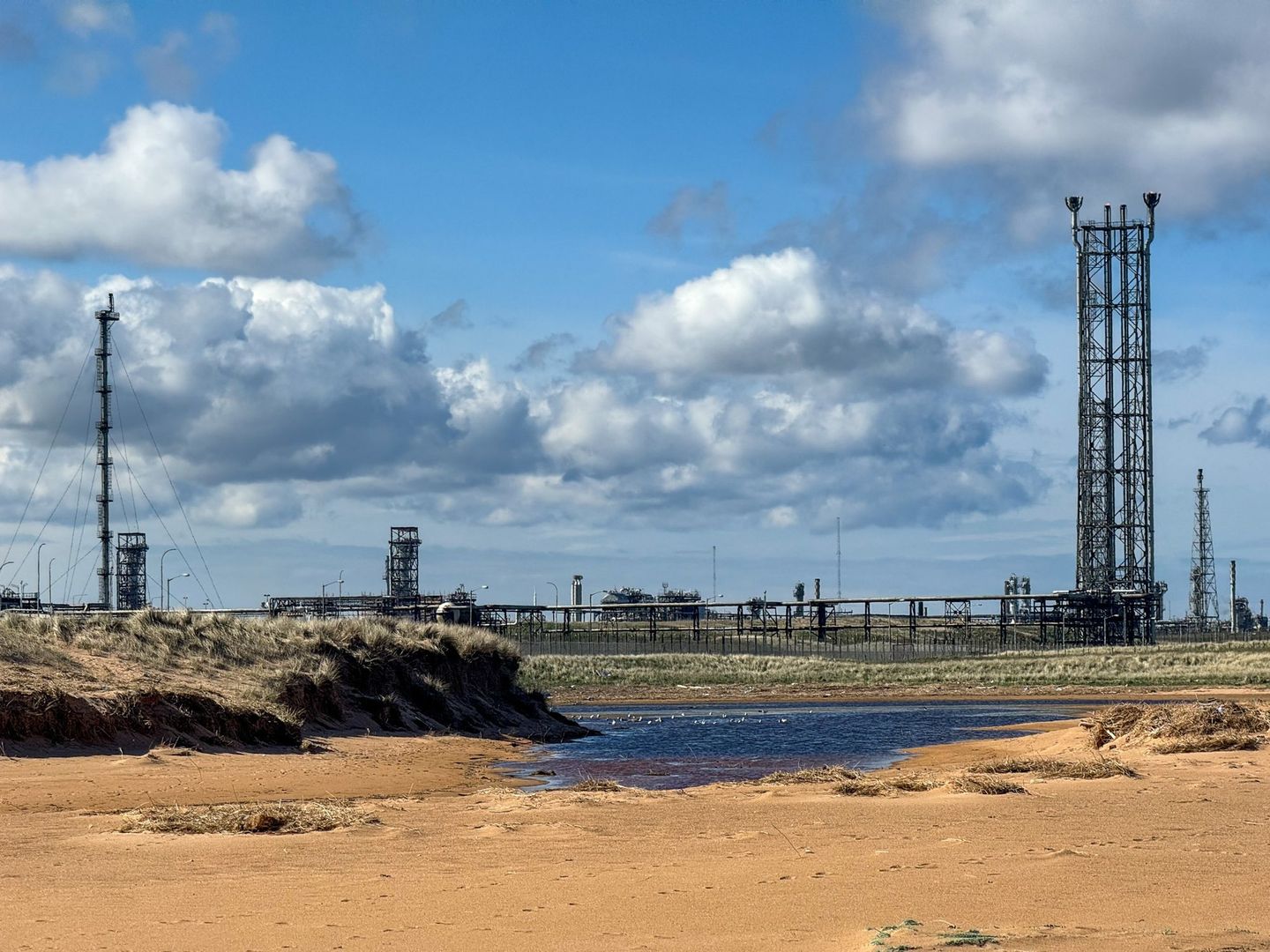
In 2019 a house in Mirfield, West Yorkshire, exploded and a woman died. Gas had leaked from a six-inch cast iron main. The main was not shown on the network's drawings and had not been maintained. In February 2022 Northern Gas Networks was fined £5m.
A missing line is a risk
A pipe that is missing from the records never reaches an inspection list, a survey route or a replacement plan. No engineer chose to skip it. The record never told anyone it was there.
The iron that remains
Britain has spent decades replacing iron gas mains. In 2025/26 Cadent replaced 1,621 km and SGN 1,054 km. HSE research found that failures per km of the iron main that remains rose slightly from 2013 to 2023, and it found weaknesses in how the networks monitor its condition. HSE's enforcement policy for 2026 to 2031 asks the networks to monitor every iron pipe and find failure hotspots in the results.
The same gap in heat
Heat networks show the same problem at an earlier stage. The Energy Ombudsman's list holds over 3,000 heat network sites. Industry estimates put the total above 14,000. Registration with Ofgem is due by 26 January 2027.
Savitram joins escape reports, survey results and the networks' own open data into one record per main and per heat network, so a missing line shows up as a missing line.
Sources
- HSE, prosecution of Northern Gas Networks, February 2022
- Cadent and SGN, 2025/26 reporting
- HSE research report RR1216
- HSE iron mains enforcement policy 2026 to 2031
- Energy Ombudsman, 2026
- Ofgem, heat network registration